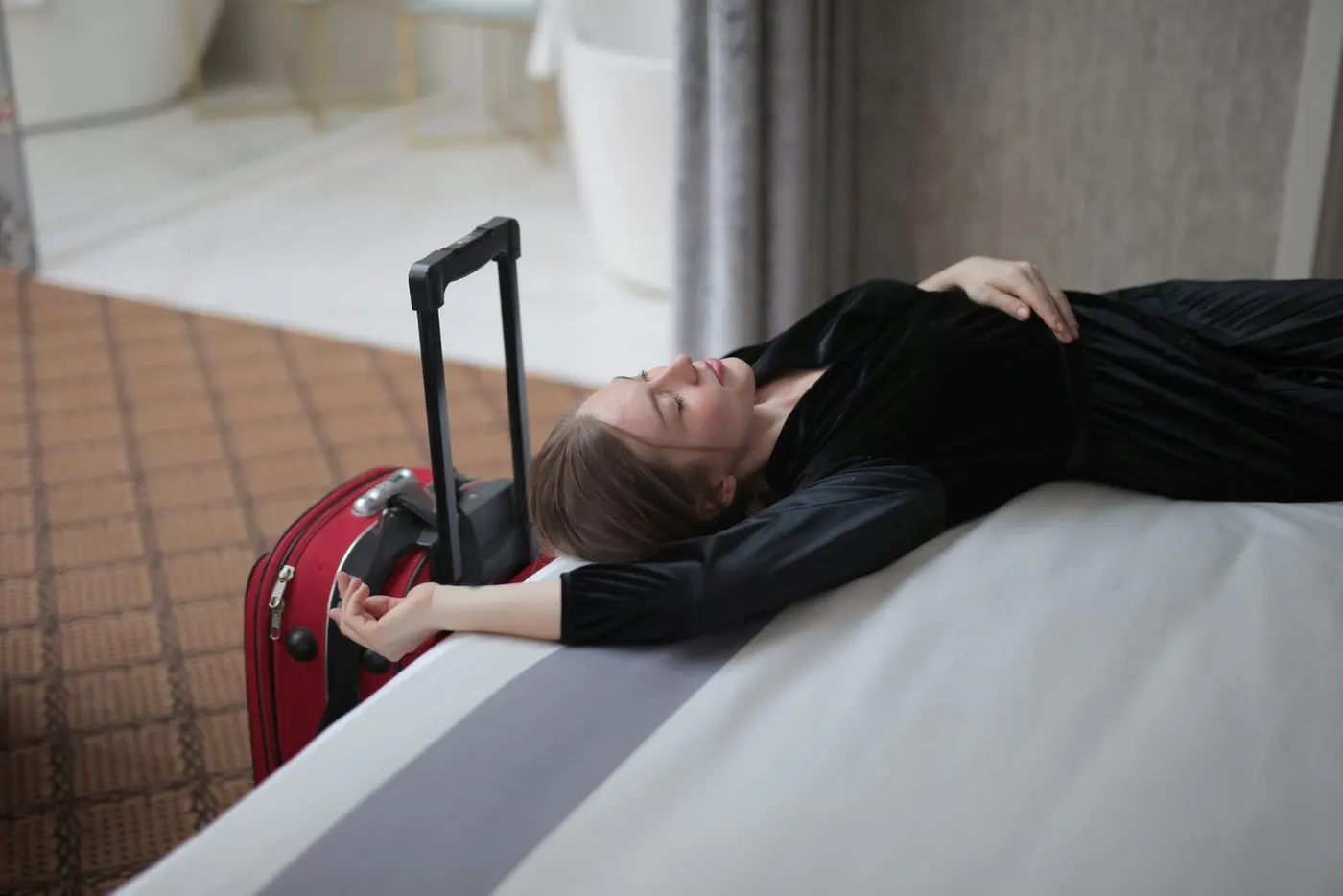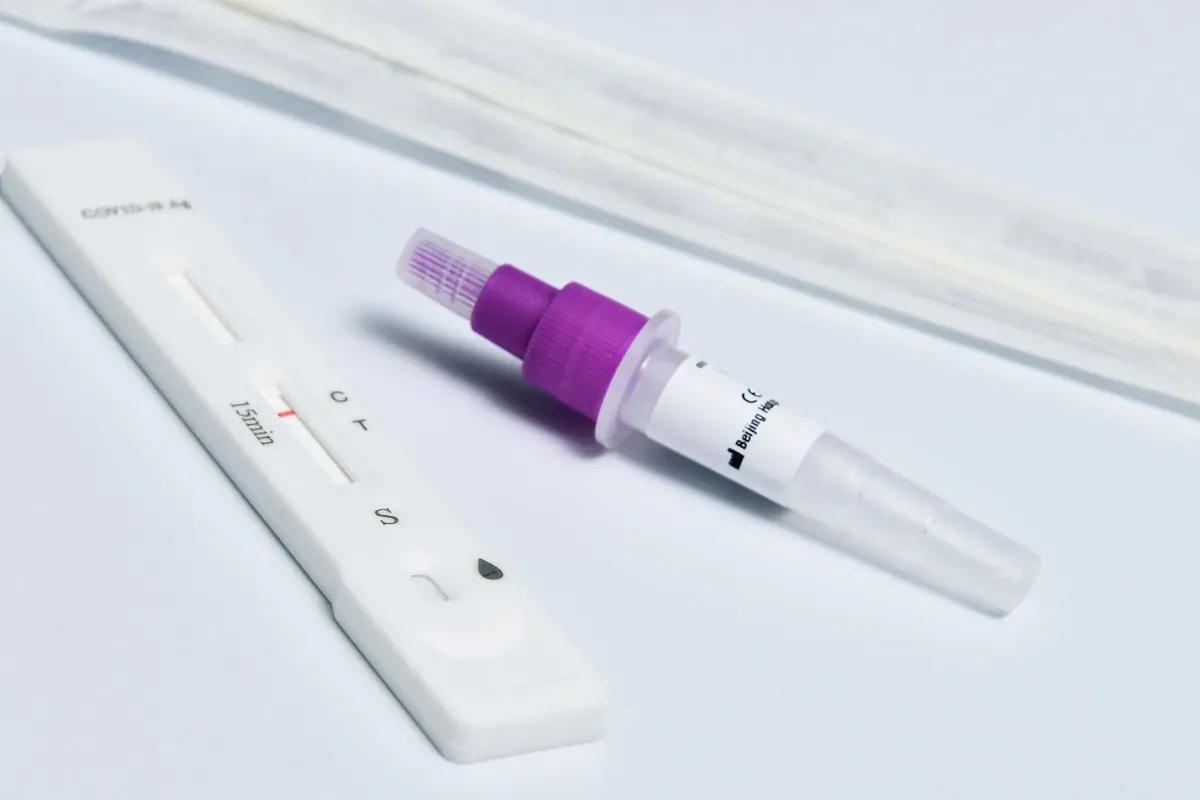
Flu and COVID look similar from the inside: a fever that arrives quickly, aching, exhaustion, a cough, a sore throat. Test kits for both are sold at Japanese pharmacies and drugstores, so you can find out which you have without leaving your hotel more than once.
The practical response is much the same either way. Rest, fluids, keep your distance from other people, and get assessed if symptoms are severe, if you're in a higher-risk group, or if things are getting worse rather than better.
Buying a test in Japan
Antigen test kits are available at pharmacies and drugstores. Boxes and instructions are usually in Japanese — ask the pharmacist, or photograph the instructions and translate them. Some kits test for one illness, others for both, so check what you're buying rather than assuming.
A negative result early in an illness doesn't rule much out, particularly in the first day or so of symptoms. If you feel unwell, act as though you're infectious regardless of what the strip says.
What to do with a positive result
Japan does not place travelers under a legal isolation requirement for either COVID-19 or influenza. What applies instead is a general guideline: rest until your fever has settled and your symptoms are improving — around five days from when they started is the usual reference point — and wear a mask around other people after that.
That leaves the decision largely to you, which is worth taking seriously rather than treating as permission. A crowded train, a restaurant counter and a hotel breakfast room are all places where a respiratory infection spreads easily, and masking while unwell is completely ordinary here.
- Stay in your room while you have a fever and feel unwell, and let your accommodation know if you need help getting food or supplies.
- Wear a mask around other people, including hotel staff. Masks are unremarkable in Japan and easy to buy anywhere.
- Contact your airline early if this affects a flight — change policies and evidence requirements are theirs to set.
- Tell anyone you've been traveling with, so they can watch for symptoms.
- Keep hydrating, and treat the fever if you're uncomfortable.
When to see a doctor
- Breathing that feels harder than usual, or shortness of breath on light activity.
- A fever that isn't settling after several days, or symptoms that improve and then worsen again.
- You're pregnant, older, or have a heart, lung, kidney or immune condition.
- You take medication that suppresses your immune system.
- You're not able to keep fluids down.
Antiviral treatment exists for both illnesses, but whether it's appropriate depends on your circumstances, your other conditions, and how long you've had symptoms. That's a decision for a doctor, not something to plan around in advance.
Being seen without going anywhere
A video consultation matters more than usual here, because the alternative involves taking a respiratory infection into a waiting room. A Japan-licensed physician can assess you in English from wherever you're staying, and if a prescription is appropriate it's emailed to you and sent to a pharmacy near you — where someone else can collect it for you if you'd rather not go out.
Consultations run 9:00–18:00 JST, Monday to Saturday, with booking open at any hour. An English medical certificate and an itemized receipt are issued with every visit, which is what airlines and insurers usually want if this disrupts your trip — our guide to claiming travel insurance covers that side.
The people you're traveling with
The practical problem with a respiratory infection on a trip is rarely just you: it's the group you're sharing a room, a rental car or a table with. A few basic steps make a real difference to whether everyone gets it.
- Mask around others indoors, including in the car and the hotel room if you're sharing it.
- Sleep separately if you possibly can — even a second room for two nights is cheaper than three people missing the second week.
- Don't share glasses, chopsticks, towels or bedding. Japanese meals are often served for sharing, which is a nice tradition and a bad idea this week.
- Ventilate. Opening a window for a few minutes at a time helps more than most things people do instead.
- Anyone in the group who is older, pregnant, or has a heart, lung or immune condition should be especially careful, and should be assessed early rather than late if they start symptoms.
When it costs you part of the trip
Being ill for several days in the middle of a trip often has consequences beyond feeling awful: a missed flight, a forfeited booking, a tour you paid for and can't take. Most of those questions are answered by documentation.
An English medical certificate and an itemized receipt are issued with every consultation, which is generally what an airline or an insurer will ask for. Contact the airline as early as you can — change policies vary enormously and are theirs to apply — and check your policy's notification window before it closes. Our guide to claiming travel insurance in Japan covers what a claim usually needs.
Can I buy a COVID or flu test in Japan?
Yes. Antigen test kits are sold at pharmacies and drugstores. Instructions are usually in Japanese, so ask the pharmacist or translate the leaflet.
Do I have to isolate in Japan if I test positive?
There is no legal isolation requirement for travelers in Japan, for COVID-19 or influenza. The general guidance is to rest until your fever has settled and your symptoms are improving — around five days from when they started — and to wear a mask around other people afterward.
Can I fly with flu or COVID?
That's between you and your airline, and their policies vary. If you need documentation of a consultation, an English medical certificate is issued with every visit.
Can a doctor prescribe antiviral treatment online?
Whether antiviral treatment is appropriate depends on your symptoms, how long you've had them, and your medical history. A physician decides that during the consultation; it isn't promised in advance.
How do I avoid giving it to the people I'm traveling with?
Mask indoors, sleep separately if you can, ventilate the room, and don't share glasses, chopsticks, towels or bedding. Shared meals are a lovely tradition and a bad idea while you're infectious.