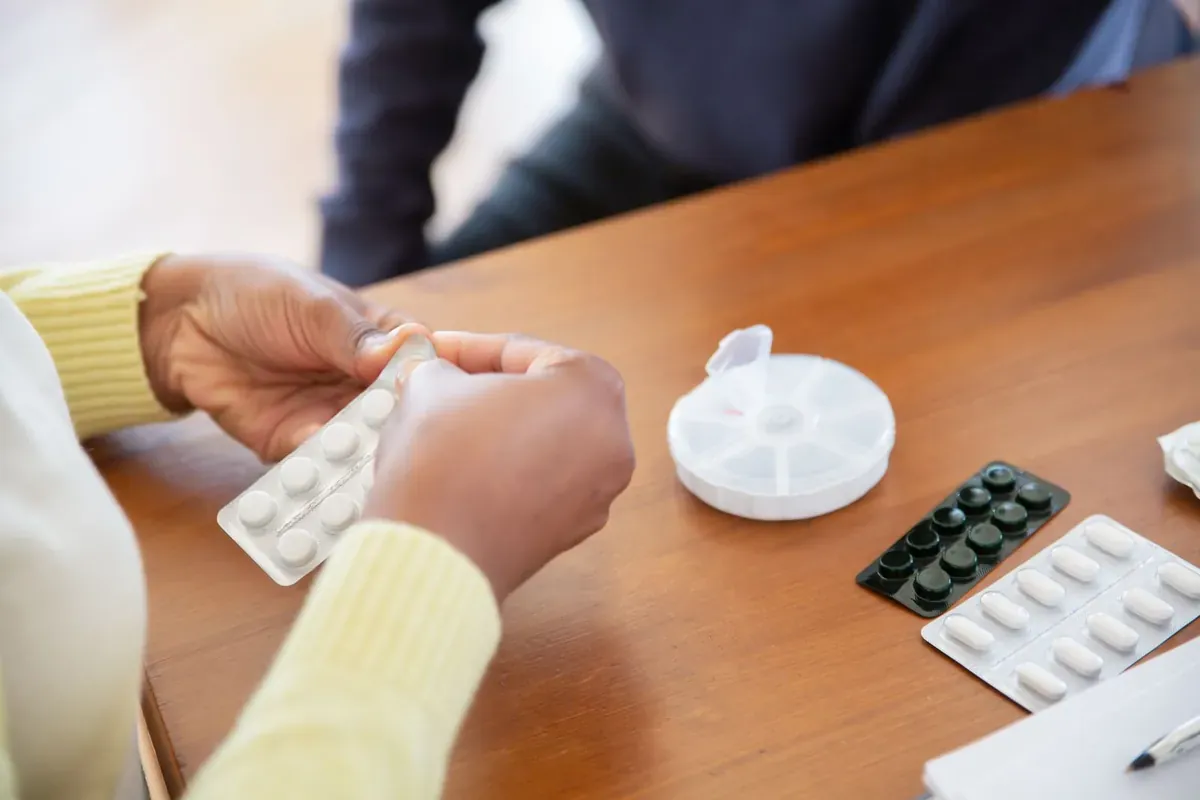
In Japan, the clinic and the pharmacy are usually separate businesses: the doctor writes the prescription, and you take it to a dispensing pharmacy to be filled. There are two different kinds of shop involved, they do different things, and knowing which one you need saves a frustrating detour while you're unwell.
One number matters more than any other here: a Japanese prescription is valid for four days including the day it was issued. Miss that window and it can't be filled — you'd need a new one.
Dispensing pharmacy or drugstore?
| Dispensing pharmacy (薬局) | Drugstore (ドラッグストア) | |
|---|---|---|
| What it does | Fills prescriptions written by a physician | Sells over-the-counter medicine and everyday goods |
| Where you'll find it | Usually beside a clinic or hospital | Shopping streets, stations, malls |
| Needs a prescription? | Yes, for prescription medicine | No — but it can't dispense prescription medicine |
| Good for | The medication a doctor prescribed you | Painkillers, cold remedies, antihistamines, plasters |
Some large drugstore chains also have a dispensing counter at the back, which blurs the line. Look for the counter with a pharmacist behind it rather than the open shelves. Our guide to over-the-counter medicine covers the drugstore side in more detail.
Four days, including the day it was issued
Japanese prescriptions expire quickly by international standards. The validity period is four days counting the day of issue, weekends and public holidays included — so a prescription issued on a Friday needs to be filled by Monday, not simply at some point during your trip.
In practice this rarely causes trouble if you fill it the same day, which is what most people do. It matters if you're traveling on to another city, or planning to wait and see whether you improve. Don't hold onto it.
What you pay
Japanese residents pay a share of the cost through public health insurance. As a short-term visitor you aren't enrolled in that system, so you pay the pharmacy's full price for the medication directly. It's charged separately from any consultation fee, and how much depends entirely on what you were prescribed.
Ask for an itemized receipt at the pharmacy. If you plan to claim on travel insurance, the medication receipt sits alongside the consultation receipt and medical certificate in your claim — our guide to claiming travel insurance in Japan covers how those fit together.
How it works with an online consultation
After a video consultation, the prescription doesn't have to be carried anywhere. It's emailed to you and sent directly to a pharmacy near where you're staying, and pickup can be ready in as little as 30 minutes. You collect the medication and pay the pharmacy there.
- Bring your passport, and be ready to give the name your appointment was booked under.
- The pharmacist will ask about allergies and other medication — it's a standard check, not a hurdle.
- You'll usually be given a medication information sheet. It's typically in Japanese; ask the doctor during the consultation if you want the instructions in English.
- Take a photo of the packaging before you leave, so you have the ingredient name if you need it later.
If you take something regularly and are running short rather than falling ill, the prescription refill guide covers that situation instead.
What happens at the counter
Filling a prescription in Japan takes a few minutes longer than you might expect, because the pharmacist checks and counsels rather than just handing over a box. The sequence is consistent: hand over the prescription, fill in a short first-visit questionnaire covering allergies and current medication, wait while it's dispensed, then a brief explanation before you pay.
- The questionnaire (問診票) is worth completing carefully. Allergies and current medication are the two lines that matter most, and you can write them in English.
- Bring your passport, and know the name your appointment was booked under.
- You'll usually be offered a お薬手帳 (okusuri-techō), a medication record booklet. Take it — it's a useful record, and it's free.
- Expect a leaflet in Japanese with the medication. Photograph the packaging so you have the ingredient name later.
- Waiting a short time is normal, especially near a busy clinic at lunchtime.
Opening hours
Dispensing pharmacies tend to keep clinic hours: weekday daytimes, often a half day on Saturday, closed Sundays and public holidays. That's a real constraint when your prescription is only valid for four days including the day of issue — a Friday prescription with a public holiday Monday leaves less room than you'd assume.
Some larger drugstore chains keep a dispensing counter open into the evening, and cities have on-call arrangements for out-of-hours needs, but the safe assumption is to fill it the same day. If you're consulting late in the week, mention your plans to the doctor so the timing is considered.
Keeping a record
Take a photo of the packaging and of any leaflet before you leave. If you see a doctor again — here or at home — the active ingredient and dose are the two things that matter, and they're much easier to photograph now than to reconstruct later from a half-remembered Japanese brand name.
How long is a Japanese prescription valid?
Four days, including the day it was issued, with weekends and public holidays counted. After that it can't be filled and you'd need a new prescription.
Can I fill a prescription at any pharmacy in Japan?
A prescription from a Japan-licensed physician isn't tied to a particular city, though an individual pharmacy may not stock a specific medication and may need to order it.
Can a Japanese pharmacy fill a prescription from my home country?
No. Pharmacies here dispense against a prescription written by a physician licensed in Japan. A foreign prescription is still useful as a record of what you take.
Do pharmacists in Japan speak English?
Some do, particularly in central areas, but don't count on it. Having the medication name written down, and asking the prescribing doctor for instructions in English, covers most of the gap.
What is a お薬手帳, and should I take one?
It's a free medication record booklet the pharmacy will offer you, used to keep track of what you've been prescribed. Take it — it's a useful record to show any doctor afterward, here or at home.