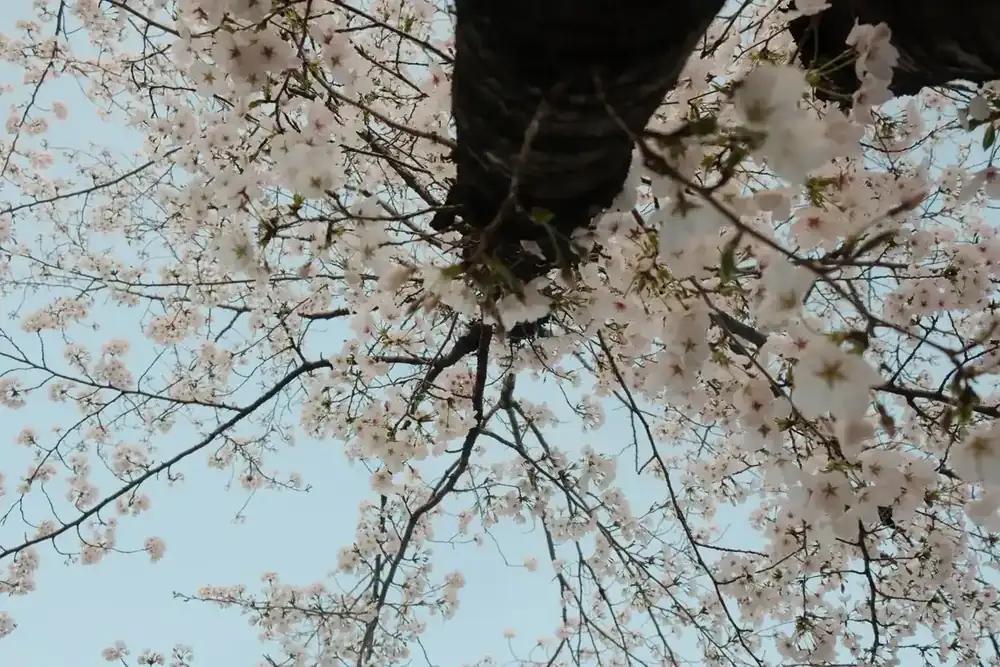
Japan has a serious pollen season. Cedar (sugi) pollen dominates from around February, cypress (hinoki) follows and overlaps into April, and between them they produce weeks of sneezing, blocked noses and streaming eyes across much of the country.
Plenty of visitors meet hay fever for the first time here, having never reacted to anything at home. If antihistamines from a drugstore aren't enough, a doctor can assess you and prescribe where appropriate — by video, without spending an afternoon in a clinic.
When it happens, and where
The season broadly runs from late winter into spring, with the worst of it usually falling between February and April. Timing shifts year to year with the weather, and moves with latitude — it starts earlier in the south and later in the north. Warm, dry, windy days are the bad ones; rain gives you a reprieve.
Hokkaido is the notable exception: it has very little cedar, which is why some people plan a spring trip north specifically. Elsewhere, expect to encounter it, and expect Japanese pharmacies to have an entire aisle devoted to it in season.
What actually helps
- A mask. This is standard practice in Japan during pollen season, easy to buy anywhere, and genuinely reduces what you inhale.
- Wraparound or ordinary glasses instead of nothing, which cuts what reaches your eyes.
- Checking a daily pollen forecast — Japanese weather apps and sites carry one all season — and planning outdoor days around it.
- Changing clothes and rinsing your face and hair when you get back to your room, rather than bringing pollen into bed with you.
- Keeping hotel windows closed on high-pollen days, and drying laundry indoors.
Over the counter first
Japanese drugstores stock oral antihistamines, nasal sprays and eye drops for hay fever, and in season they're impossible to miss. Shop by ingredient rather than by brand — our over-the-counter medicine guide covers how — and tell the pharmacist if you're already taking something, since combination products make it easy to double up.
One caution worth knowing: some older antihistamines cause significant drowsiness, which is a poor combination with driving, an early train, or a full day of sightseeing. Ask the pharmacist specifically about this rather than discovering it at lunchtime.
When to see a doctor
- Over-the-counter treatment isn't controlling symptoms after several days.
- You're not sleeping, or symptoms are costing you the days you came here for.
- Wheezing or chest tightness — pollen can trigger asthma, and that changes the picture.
- Eye symptoms with pain or reduced vision, which need an eye specialist rather than a hay fever aisle. Our conjunctivitis guide covers when that matters.
- You take medication for another condition and want to check what's safe alongside it.
A video consultation with an English-speaking, Japan-licensed physician can be done from your accommodation; a first visit online is fine and no Japanese insurance is needed. If a prescription is appropriate, it's emailed to you and sent to a pharmacy near where you're staying, often ready in as little as 30 minutes. What's prescribed is the doctor's call after assessing you — and what's available in Japan may differ from what you'd be given at home.
First time? That's normal
A lot of visitors develop hay fever symptoms in Japan having never had them anywhere else, which is disorienting when you're convinced you've caught a cold that won't end. Allergy tends to come with itching — eyes, nose, the roof of the mouth — clear rather than coloured discharge, sneezing in runs, and no fever. A cold usually brings some aching, a sore throat and a fever, and it ends within a week or so.
The tell that convinces most people is the pattern: symptoms that are worse outdoors on dry windy days and better indoors or in the rain, running for weeks rather than days, are allergy rather than infection.
Masks, and where to buy everything
Japan is unusually well equipped for this, because a large share of the population deals with it every year. Drugstores and convenience stores sell masks year-round, and in season the pollen aisle is unmissable. You'll also find saline nasal rinses, eye-rinse cups, and mask sprays intended to trap pollen.
- Masks: sold everywhere, in multiple sizes. Buy a size that actually fits — a loose one does very little.
- Pollen forecasts: Japanese weather apps and TV weather segments carry a daily pollen index through the season, usually on a simple scale.
- Timing: pollen counts tend to be highest in the middle of the day and again in the early evening on warm days.
- Indoors: keep hotel windows shut on high-count days, and dry laundry inside rather than on a balcony.
If you have asthma
Pollen is a well-recognized asthma trigger, and a season this intense can unsettle asthma that is normally quiet. Bring your inhalers, keep the reliever with you rather than in the hotel, and treat wheeze, chest tightness or breathlessness as a reason to seek care rather than to take another antihistamine. Severe breathing difficulty is a 119 call, not a consultation.
When is Japan's pollen season?
Cedar pollen typically starts around February, with cypress overlapping into April. Exact timing varies year to year and by region — earlier in the south, later in the north.
Can I avoid it?
Hokkaido has very little cedar pollen, which is why it's a popular spring alternative. Elsewhere, masks, glasses, checking the daily forecast and rinsing off when you get in are the practical measures.
Can I buy hay fever medicine in Japan without a prescription?
Yes — antihistamines, nasal sprays and eye drops are all sold over the counter, and pharmacies stock them heavily in season. Ask about drowsiness before you take the first dose.
What if my usual prescription medication has run out?
A doctor can assess you and prescribe where appropriate, though the exact product you use at home may not be available in Japan. Our guide to continuing home medication covers this.
How do I tell hay fever from a cold?
Allergy itches — eyes, nose, the roof of the mouth — with clear discharge, runs of sneezing and no fever, and it lasts weeks and tracks the weather. A cold brings aching, a sore throat and often a fever, and ends within about a week.