Most travel rashes fall into three groups: heat rash from Japan's humid summer, hives from something you ate, touched, or simply from being run down, and insect bites. All three are usually manageable with a drugstore antihistamine or cream and a few days of patience.
What isn't routine: a rash with a fever, one that's spreading fast, one with blistering, or any rash accompanied by swelling of the face or difficulty breathing. Those need care, and the last needs it immediately.
Heat rash and humidity
Japanese summers are hot and very humid, and the combination of sweat, sunscreen and full days of walking produces small itchy bumps in exactly the places clothing traps heat. Cooling down, changing out of damp clothes, showering after long days and letting skin breathe fixes most of it.
Hives
Hives are raised, itchy welts that move around, often appearing in one spot and fading while another emerges. Food, medication, heat, exercise and stress can all set them off, and often no cause is ever identified — which is frustrating but not in itself worrying.
An oral antihistamine from a Japanese drugstore is the usual first step. See a doctor if the hives keep coming back over days, if they came on after starting a new medication, or if they're accompanied by any swelling of the face, lips or tongue.
Insect bites
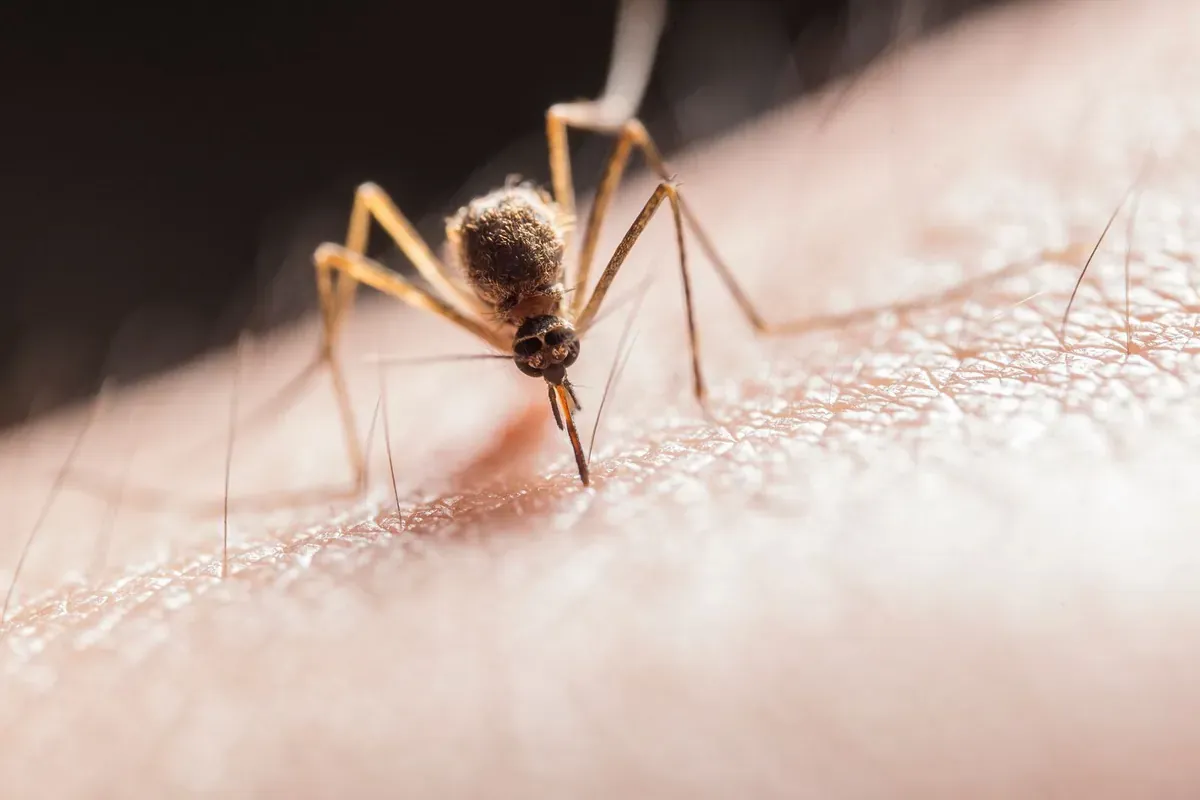
Mosquitoes are abundant in a Japanese summer, particularly near parks, temples, rivers and rice fields, and they're most active around dawn and dusk. Repellent, covering up in the evening, and not scratching are the whole of the prevention advice.
- Cool the bite, use an anti-itch cream from a drugstore, and keep your nails short.
- Watch for a bite that becomes hot, increasingly red, spreading, or that starts weeping — that can signal infection rather than irritation.
- A tick, if you've been hiking, should be removed properly rather than pulled at; get it seen if you're unsure, and mention it if a rash or fever follows.
- Note the date a bite appeared. A doctor will want the timeline if it changes.
When to see a doctor
- A rash with a fever, or one you feel generally unwell with.
- Rapid spreading, or skin that's hot and increasingly painful.
- Blistering, open sores, or a rash that doesn't fade when you press it.
- Hives that keep returning for more than a few days, or that started after new medication.
- Any rash where you're not improving after a few days of treating it yourself.
Getting assessed in Japan
Skin problems suit video consultation better than most: a doctor can actually see the rash, and you can show how it's changed if you've photographed it. Take clear photos in daylight, including one wider shot for context, before your appointment.
Consultations run 9:00–18:00 JST, Monday to Saturday, in English with a Japan-licensed physician, and booking is open at any hour. If a prescription is appropriate it's emailed to you and sent to a pharmacy near where you're staying, often ready in as little as 30 minutes. Some skin conditions need to be touched, sampled or examined under proper light to diagnose — where that's the case, you'll be told so directly.
Heat, sun and a Japanese summer
Japanese summers are punishing in a way that surprises a lot of visitors: high thirties with humidity to match, and long days of walking. Sunburn, heat rash and heat exhaustion are all more likely here than the same trip in a drier climate, and the last one is not a skin problem at all.
If a rash comes with dizziness, nausea, a headache, confusion, or skin that is hot and dry rather than sweaty, stop thinking about the rash. Get into shade or air conditioning, drink oral rehydration solution rather than plain water, and get help — heat illness escalates quickly and can be an emergency.
Onsen, pools and rashes
Two things worth knowing. First, an open, weeping or infected-looking rash should stay out of shared baths and pools, both for your sake and everyone else's; most facilities ask this explicitly. Second, some people react to the minerals in a particular hot spring, which is an ordinary irritant reaction rather than anything sinister — rinse off with fresh water afterward if your skin is sensitive.
Separately, some onsen still restrict entry for visible tattoos. That has nothing to do with skin conditions, but it's the other reason a facility may turn someone away, and it's worth knowing before you plan an evening around it.
Photograph it
Rashes change, and they have a habit of looking dramatically better by the time anyone qualified sees them. Take a photo each day in natural light: one close enough to show texture, one wide enough to show how far it extends. That series tells a doctor more than any description you'll manage after four days of poor sleep.
Can a doctor diagnose a rash over video?
Often, yes — a rash is visible, which is why skin complaints work relatively well by video. Some conditions still need an in-person examination, and a doctor will tell you when that applies.
What can I buy for itching at a Japanese drugstore?
Oral antihistamines and anti-itch creams are widely available. Ask the pharmacist and shop by ingredient rather than brand — see our over-the-counter medicine guide.
Are mosquitoes a problem in Japan?
In summer, yes, particularly near parks, water and greenery at dawn and dusk. Repellent and covering up in the evening handle most of it.
When is a rash an emergency?
When it comes with swelling of the face, lips or tongue, difficulty breathing, or faintness. Call 119 rather than booking a consultation.
What should I photograph before a consultation?
One close-up showing the texture of the rash and one wider shot showing how far it extends, both in natural light — and a new set each day if it's changing. Rashes have a habit of looking better by the time anyone qualified sees them.