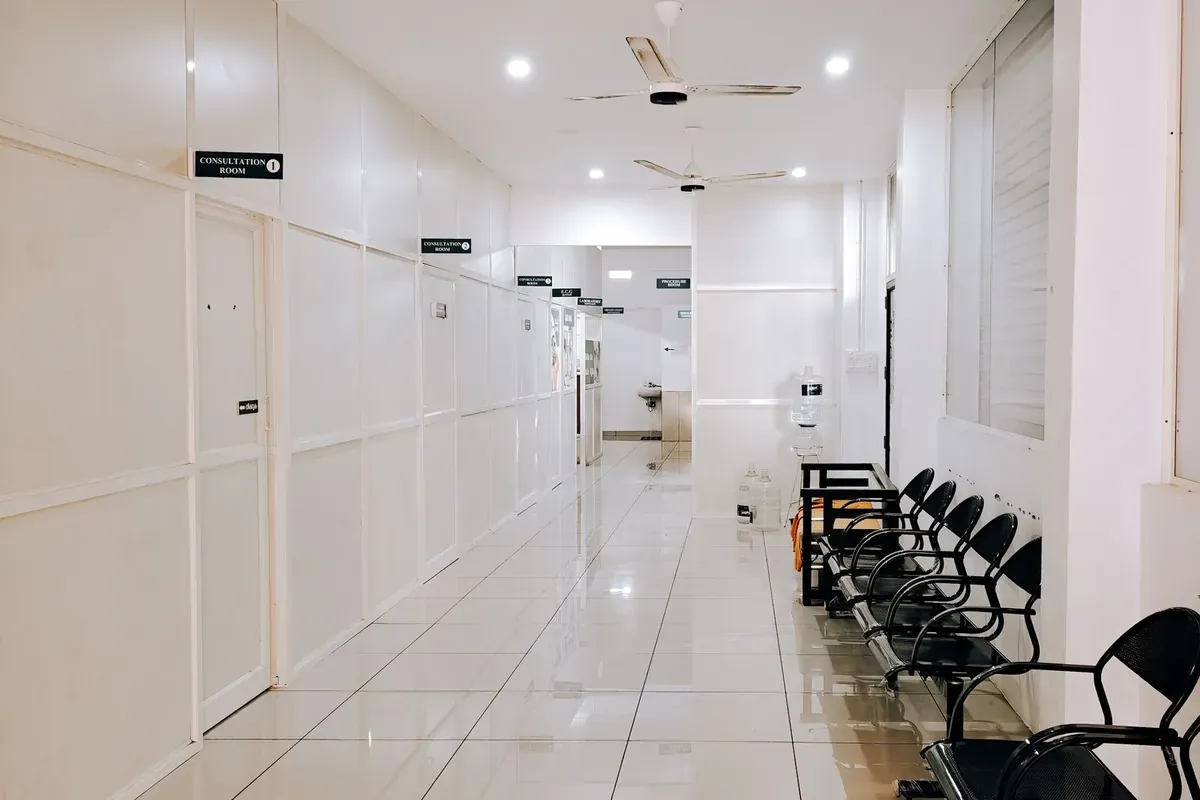
Japan's healthcare system is built around universal public health insurance, free choice of doctor or specialist, and generally short wait times. That's a different shape from systems in the US, UK, France, or Germany — and it matters for travelers, because as a short-term visitor you're typically not enrolled in it and pay out of pocket.
How Japan's system works
Nearly all residents are enrolled in public health insurance, and patients generally pay 30% of costs out of pocket at the point of care (lower for some elderly and lower-income patients), with a high-cost medical care benefit that caps costs above a set threshold. Patients can see any doctor or specialist directly, without a referral gatekeeping the choice — there's no general-practitioner registration system like in the UK or France. Care is typically coordinated across doctors, nurses, pharmacists, and other staff, and wait times tend to be short by international standards.
How that compares to other countries
United States
Coverage is split between public programs for specific groups (Medicare, Medicaid) and private insurance, with a meaningful uninsured population. Costs without insurance can be very high, and comparable treatment is often substantially cheaper in Japan than in the US.
United Kingdom
The NHS is tax-funded and largely free at the point of care, but non-urgent treatment can involve waits of months, and patients must generally register with a GP who provides referrals to specialists — unlike Japan's direct access.
France and Germany
Both have near-universal coverage, but through a GP-registration model: seeing a specialist directly (without going through your registered doctor first) typically means a higher out-of-pocket cost. Japan has no equivalent restriction.
What this means if you're visiting
Japan's system serves residents enrolled in it well — but a short-term visitor generally isn't eligible for Japanese public health insurance and pays the full cost of care directly, then claims reimbursement from travel insurance afterward if the policy covers it. That's a real gap for many travelers: no local insurance, and often a language barrier at Japanese-language clinics on top of it.
An online consultation designed for travelers addresses both of those directly — a flat, disclosed fee paid upfront (so there's no separate negotiation with a hospital billing office), and an English-speaking physician, without needing to be enrolled in Japan's insurance system at all.
Can tourists use Japan's national health insurance?
No. Public health insurance is for residents enrolled in the system. Short-term visitors pay directly for medical care.
Why is healthcare in Japan considered affordable and accessible?
Nearly universal insurance enrollment, a 30% standard out-of-pocket rate for insured patients, free choice of specialist without a referral, and generally short wait times.
If I'm not covered by Japanese insurance, how do I pay for care?
You pay the provider directly at the time of care, then submit receipts and any required documentation to your travel insurer for reimbursement, depending on your policy.